
Contents
- Applica: from one deck to all design
- Key takeaways
- What is a dedicated design team?
- How did one presentation turn into a dedicated team?
- When should a startup choose a dedicated design team?
- How do you onboard a remote design team in the first 30 days?
- How do you work with a remote design team day to day?
- What should the scope of work include?
- How do you measure a dedicated design team?
- Frequently asked questions
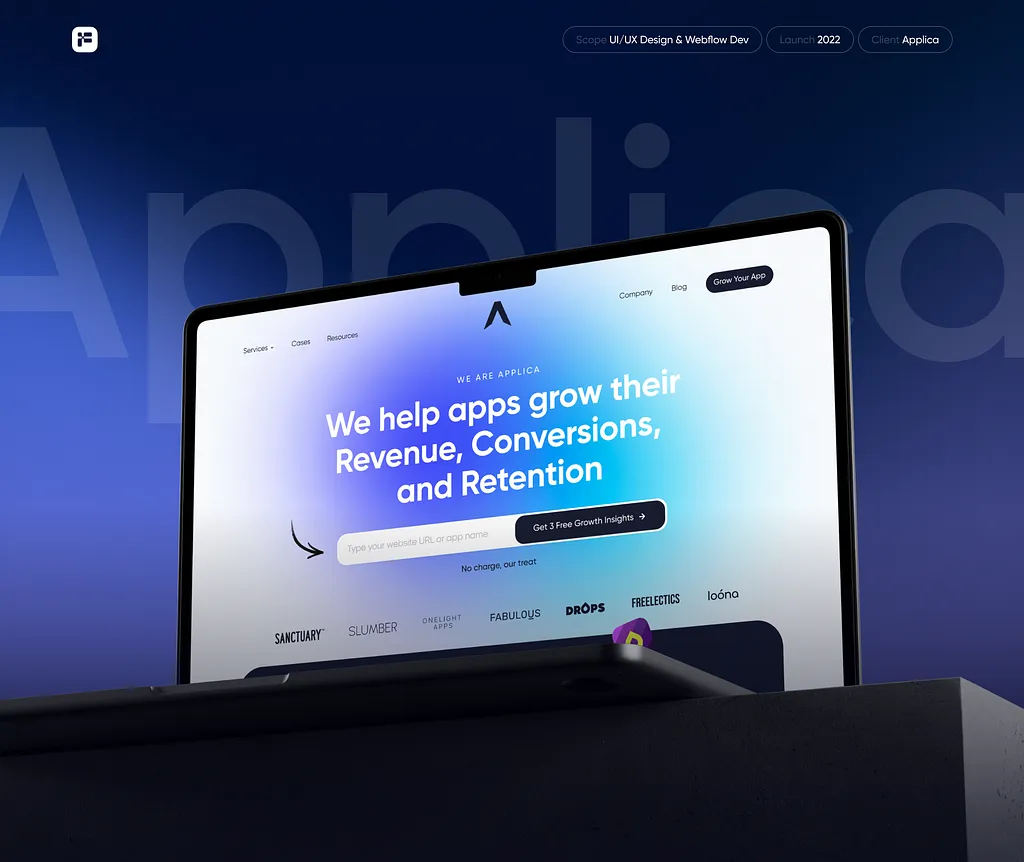
A dedicated design team is an outside team that works only on your product, the way an in-house department would. Applica hired us to redo one presentation, and two months later we were handling all of their design, from UX research to the Webflow website.
Applica: from one deck to all design
Applica came to us for a single presentation and, within two months, moved all of its design work to our remote team.
This case study shows how our remote design team worked with Applica, a growth agency that helps mobile apps grow their revenue, conversions and retention. Below the story you will find what we learned: how a dedicated team differs from other ways of hiring design, when a startup should choose one, how to onboard it, and how to judge whether it works.
Key takeaways
- Start small. A single paid task, like one presentation, is the cheapest way to test a design team before you hand over a whole product.
- Write the scope down. A dedicated team works best when research, UI, the design system, marketing design and the website sit in one written scope with one owner on each side.
- Fix the rhythm, not the hours. Slack for daily questions, a weekly call for decisions and a weekly time report keep a remote team as visible as people in your office.
- Measure outcomes. Judge the team by shipped work, turnaround and the business metrics the design touches, not by the number of screens.
What is a dedicated design team?
A dedicated design team is a group of designers from an agency who work only on one client's product for an ongoing period, joining the client's tools and routines the way in-house staff would. You pay for the team's time each month, not for a fixed list of deliverables.
It sits between three other options startups usually weigh. Here is how they compare.
- Freelancers. Fast to hire and good for narrow tasks. The catch is coverage: one person rarely does research, UI, motion and a website equally well, and when they leave, the context leaves with them.
- In-house designers. The deepest product knowledge and full control. They also take the longest to hire, and a startup pays salary even in quiet months. One hire also gives you one skill set.
- Project agency. A fixed scope, a fixed price and a handover at the end. It fits a one-off launch, but every new request becomes a new estimate, and the team that knew your product moves on.
- Dedicated design team. Several skills under one lead, a monthly budget you can scale up or down, and people who keep your context from one task to the next. The trade-off: you have to invest in onboarding and give the team regular access to decision makers.
How did one presentation turn into a dedicated team?
The first task went better than Applica expected, so we proposed taking on UX research next, and the scope kept growing from there.
We were looking for Webflow designers on Upwork. Figmatica's Head of Design sent us his portfolio, and we were impressed by his experience, his work and his ability to produce all the design assets without bringing in extra people.
It all started when Applica asked us to redo their presentation. The result exceeded their expectations, so we suggested expanding the partnership to UX research and becoming their dedicated design team. Within two months we had taken over all design work at Applica.
The lesson for buyers: a small first task shows you how a team thinks, how fast it answers and how it takes feedback. That tells you more than any portfolio, and it costs little if the fit is wrong.
When should a startup choose a dedicated design team?
Choose a dedicated design team when you have a steady flow of design work across several disciplines but are not ready to hire and manage a full in-house department.
These signals usually mean the model fits:
- Design work never runs out. You have product screens, a website, sales decks and ads in the queue at the same time, every month.
- You need more than one skill. Research, interface design, a design system and web development rarely live in one freelancer.
- Your pace changes. A launch month needs three people, a quiet month needs one. A team budget can follow that curve. Payroll cannot.
- Nobody on the founding team owns design. A team with its own lead brings the process, not only the hands.
When not to do it: if you need one logo or one landing page, hire a freelancer or book a project. If design is the core of what you sell and you can afford a design lead, build in-house and use an outside team only for peaks. And if nobody on your side can answer the team's questions within a day, any remote setup will stall.
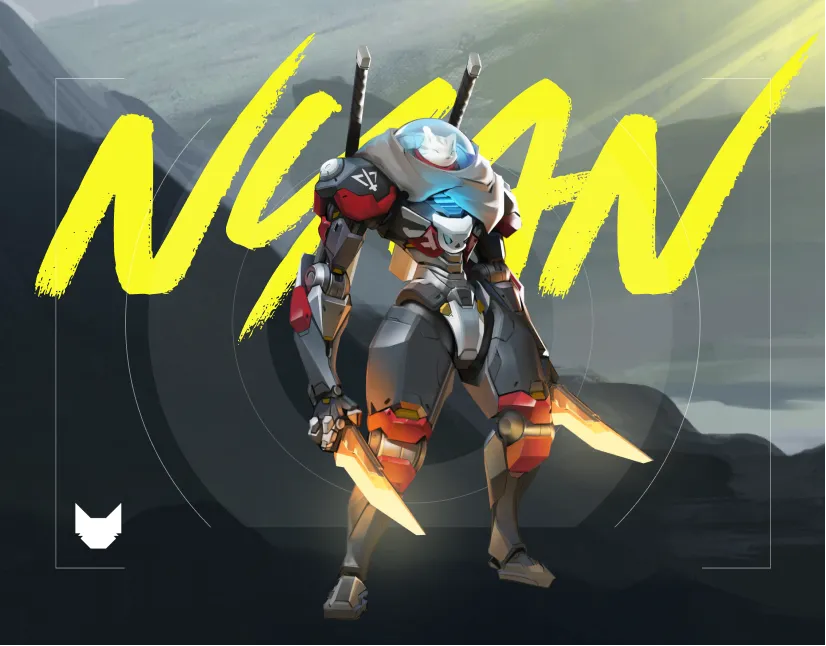
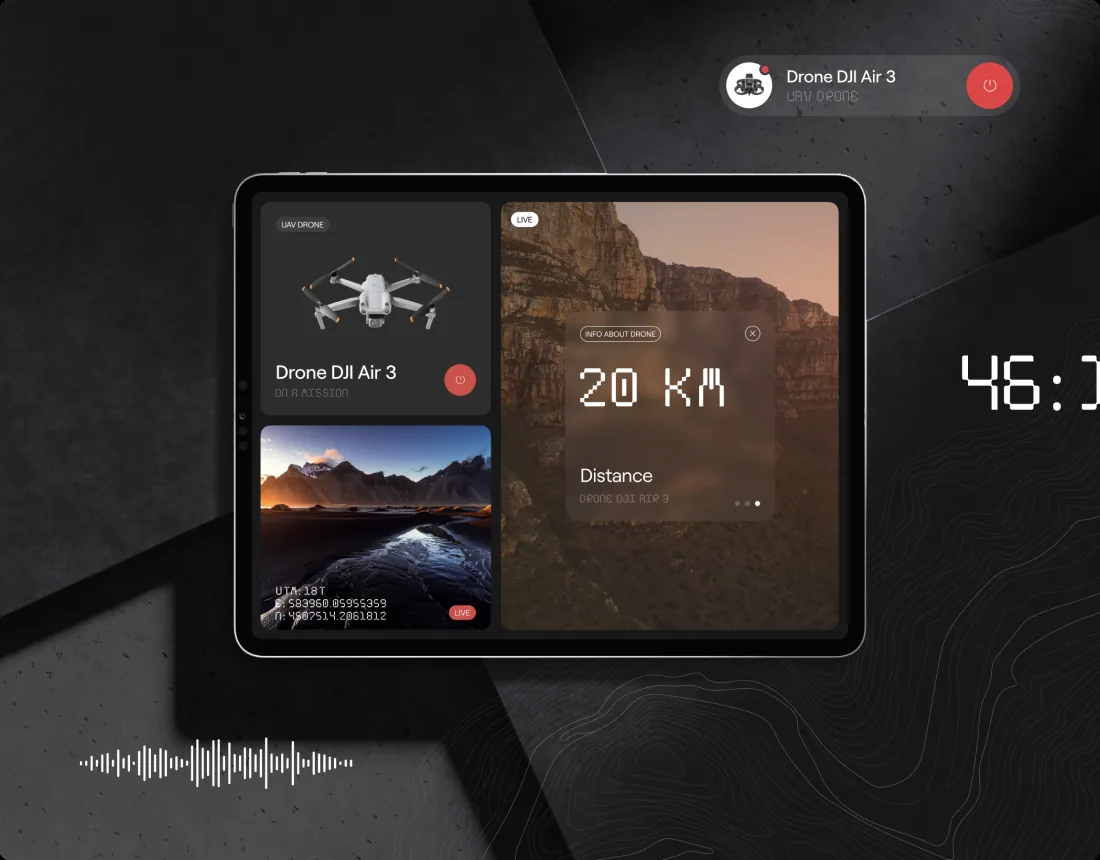
Two more startups where we worked as a dedicated design team, and what two clients say about working with us.


How do you onboard a remote design team in the first 30 days?
Spend the first month on context, access and one visible win, in that order. A remote team that skips onboarding produces polished work that misses the point.
With Applica, the two hardest parts were exactly these. First we had to understand their brand and design language, so we held several meetings and interviews about their needs, preferences and goals. Then we had to understand the business itself: Applica had a clear vision of what they wanted, and our job was to turn it into a tangible design. Here is the plan we now follow with new clients:
- Week 1: access and context. Invite the team to Slack, Figma, analytics and the website CMS. Share brand files, past research, sales decks and the roadmap. Name one decision maker who approves design.
- Week 2: interviews and audit. Let the team talk to founders, sales and a few customers, and audit the current product and site. Expect a short written summary of problems, not screens.
- Week 3: first deliverable. Pick one visible, low-risk task, such as a deck or a landing section, and ship it. It tests the feedback loop before the stakes are high.
- Week 4: scope and rhythm. Agree on the written scope for the next quarter, the meeting cadence and the reporting format. From here the team plans its own work.
How do you work with a remote design team day to day?
Agree on one channel for each kind of conversation and a fixed weekly rhythm, so nobody has to ask what the team is doing.
With Applica we set up a clear protocol. Slack for day-to-day conversations, weekly video calls to discuss progress and agree on next steps, and a shared document where we tracked progress and left feedback.
Applica is a startup that moves at breakneck speed, so we had to adapt to their pace. We added daily sync-ups where we updated them on progress and flagged any blockers. Detailed weekly Toggl reports were key: they showed where every hour went, which is what makes a monthly budget easy to approve.
What each channel is for:
- Chat for questions. Short questions and quick approvals. Agree on an answer time, for example within the same working day.
- Daily sync for blockers. Ten minutes or a written update. Worth it in launch weeks. In quiet periods, a written update is enough.
- Weekly call for decisions. Show the work, take feedback, set priorities for the next week. Decisions go into the shared document right after the call.
- Weekly time report for trust. Hours by task and by area. It lets you see if the team spends time where you want it spent.
What should the scope of work include?
The scope of work should list every design area the team owns, from research to the live website, so both sides know what is in and what is out.
To understand Applica's needs and goals, we started with a discovery phase. We ran user interviews and analysed their existing website to learn about their target audience and its pain points. We also did a competitor analysis to see how Applica could stand out in the market. If you are unsure which research to ask for, Nielsen Norman Group has a clear guide on when to use which UX research method.
To finish on time, we wrote a detailed scope of work. For Applica it covered five areas:
- UX research. User interviews, an audit of the existing site and a competitor analysis.
- UX/UI design. Wireframes, prototypes and final screens. See how we approach product design and an example in the Sona AI case.
- Design system. Reusable components and rules, so new pages do not start from zero. NN/g's Design Systems 101 is a good primer.
- Marketing design. Presentations and campaign visuals that match the product. If those assets feed paid or outbound campaigns, align them with your demand generation plan.
- Website improvements. Design and development on Webflow, with storytelling pages that explain the offer. For a larger Webflow build, see how we ran 80 country pages from one template.
How do you measure a dedicated design team?
Measure a dedicated design team by what it ships and what that work changes for the business, reviewed once a month against the scope.
- Delivery. Share of planned tasks shipped in the month, and how often work slips.
- Turnaround. Time from request to first draft, and number of feedback rounds per task. Rounds that keep growing usually mean the brief or the decision maker is unclear.
- Business metrics. Pick the numbers the design touches: website conversion to a lead, product activation, sales cycle length. Record a baseline before the redesign.
- Budget fit. Compare the time report with your priorities. If most hours go to small fixes, the scope or the backlog needs work.
Common mistakes we see: no single approver, so feedback contradicts itself; treating the team as a ticket queue without sharing goals; and skipping the discovery phase to save a week, then losing a month to redesigns. Each of these is cheaper to fix in the first 30 days than later.
Working as a remote dedicated team takes effort on both sides, and it pays off. The client gives access and quick answers. The team gives a visible process and honest time reports. If you are weighing this model, look at our product design service or browse more cases.
Key takeawayA dedicated design team works when the client names one decision maker and the team makes its time visible every week.
Websites and products we shipped
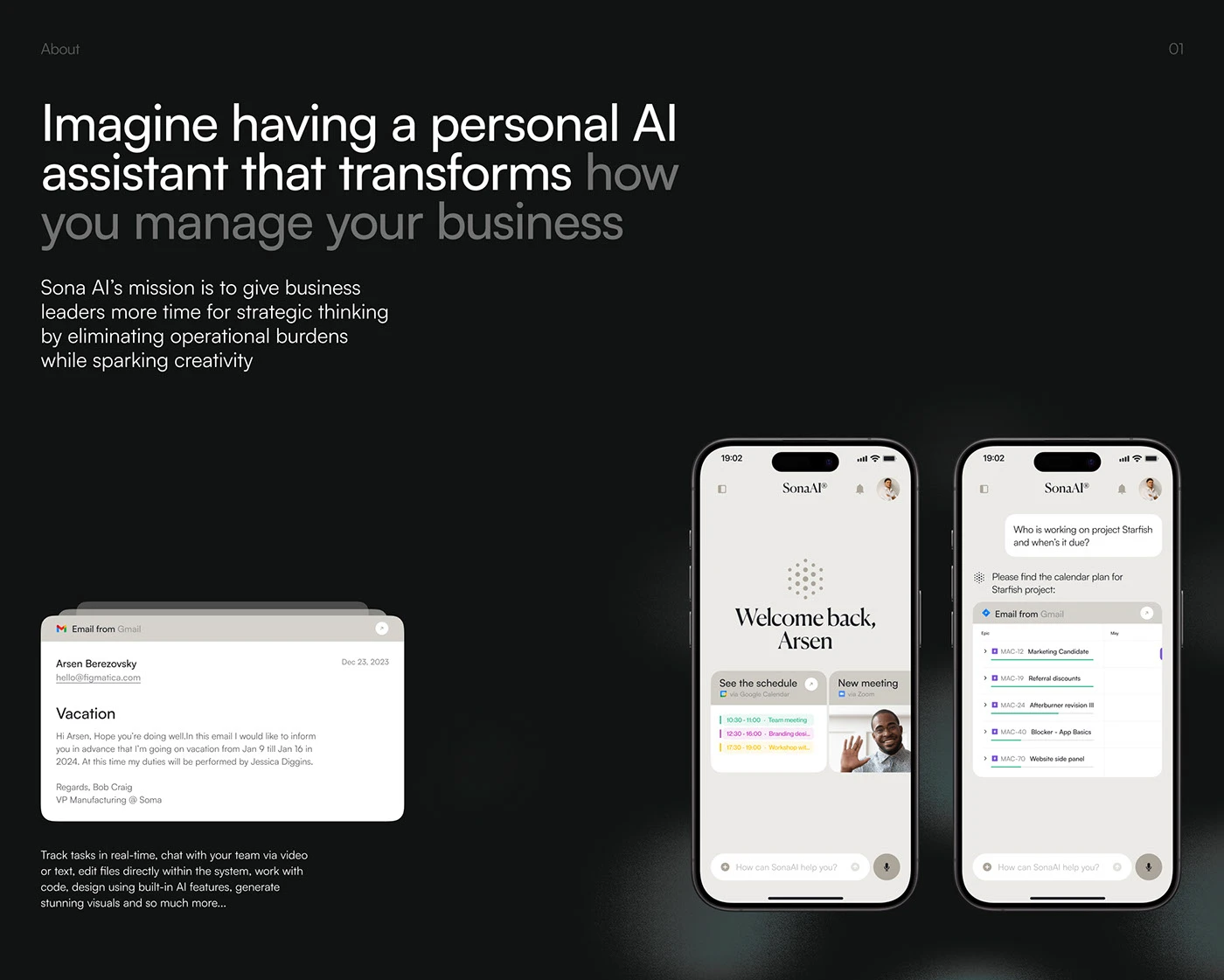 Sona AIThe AI assistant that brings order to chaos
 Ukrainian Startup FundHow Ukraine's state startup fund became one tap from its grants
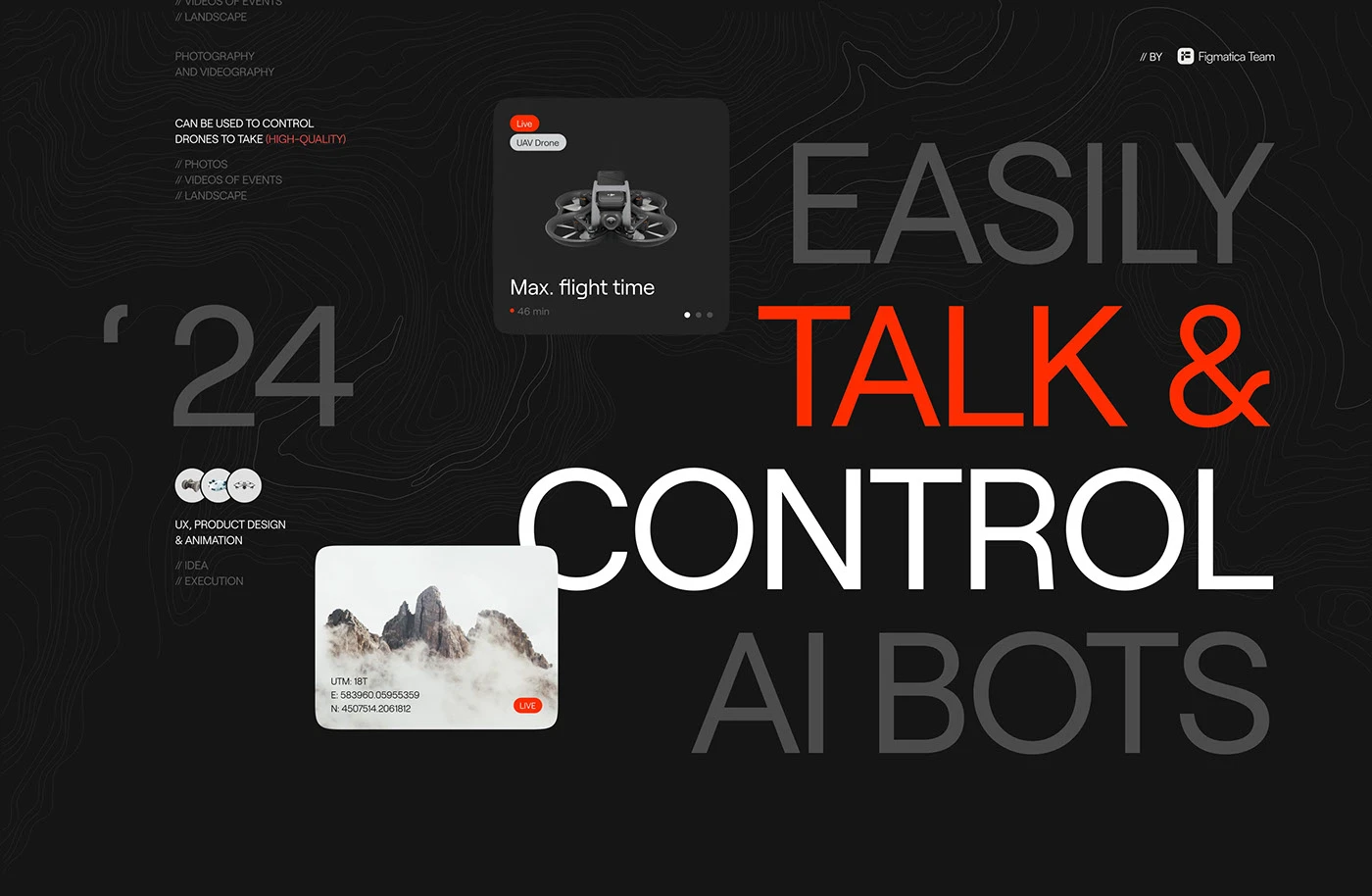 AI Drone ChatBot$2M+ startup, 4 screens, 1 chat: how drone pilots talk to AI
Want the same for your site? 30 minutes, free.
Book a free call ↗