
BloxFi. 80+ country pages from one template: how a fintech API went global
Updated
Frequently asked questions
Common questions about this topic
How do you design a website for a fintech or payments API?
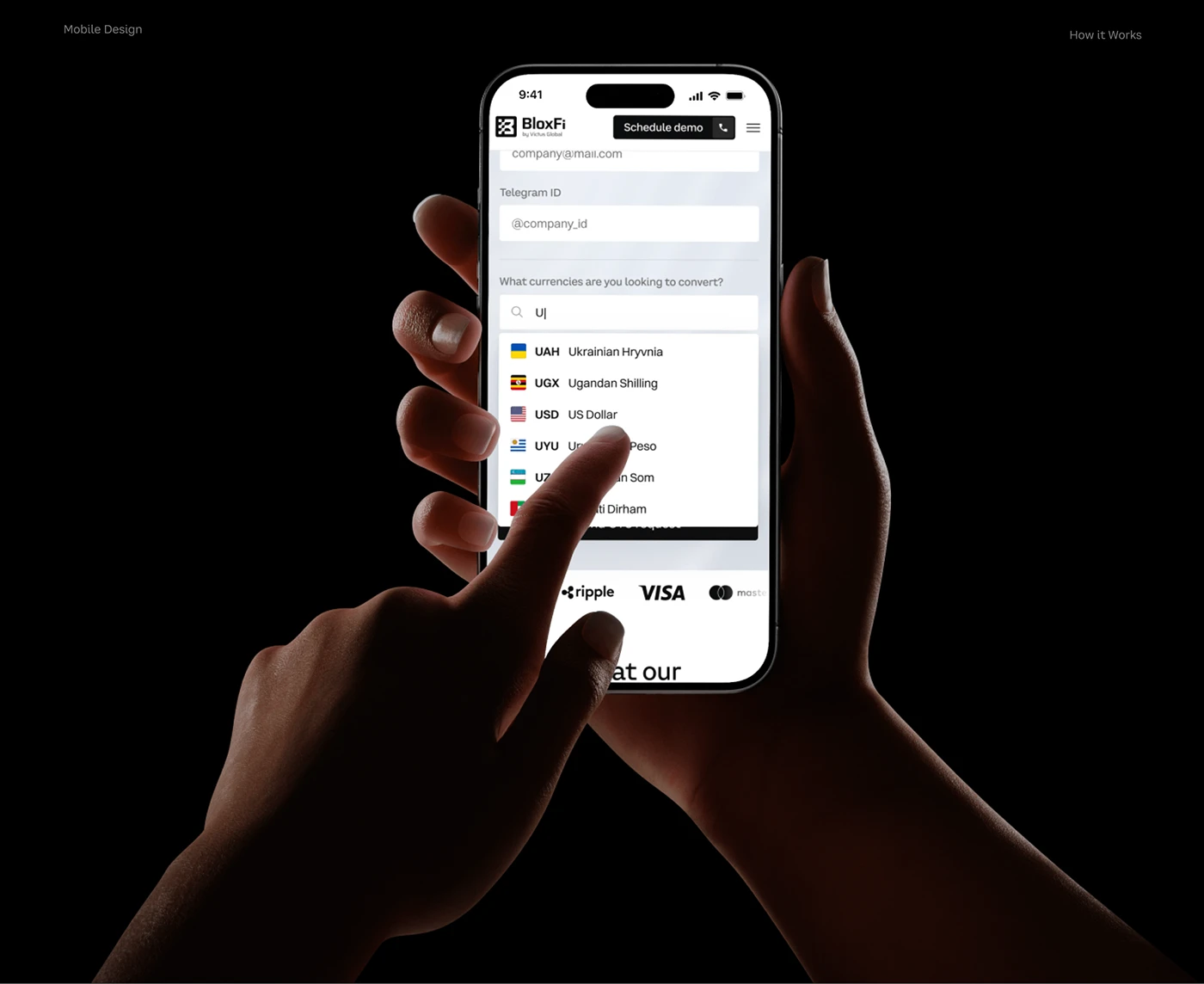
Start from the buyer's question (can this move my money safely, in my corridors, at my volume?) and answer it in that order: coverage, compliance, integration, pricing. For BloxFi that meant coverage pages per country, a how-it-works flow and a calculator before any brand storytelling.
How do you build 80+ country pages without designing each one?
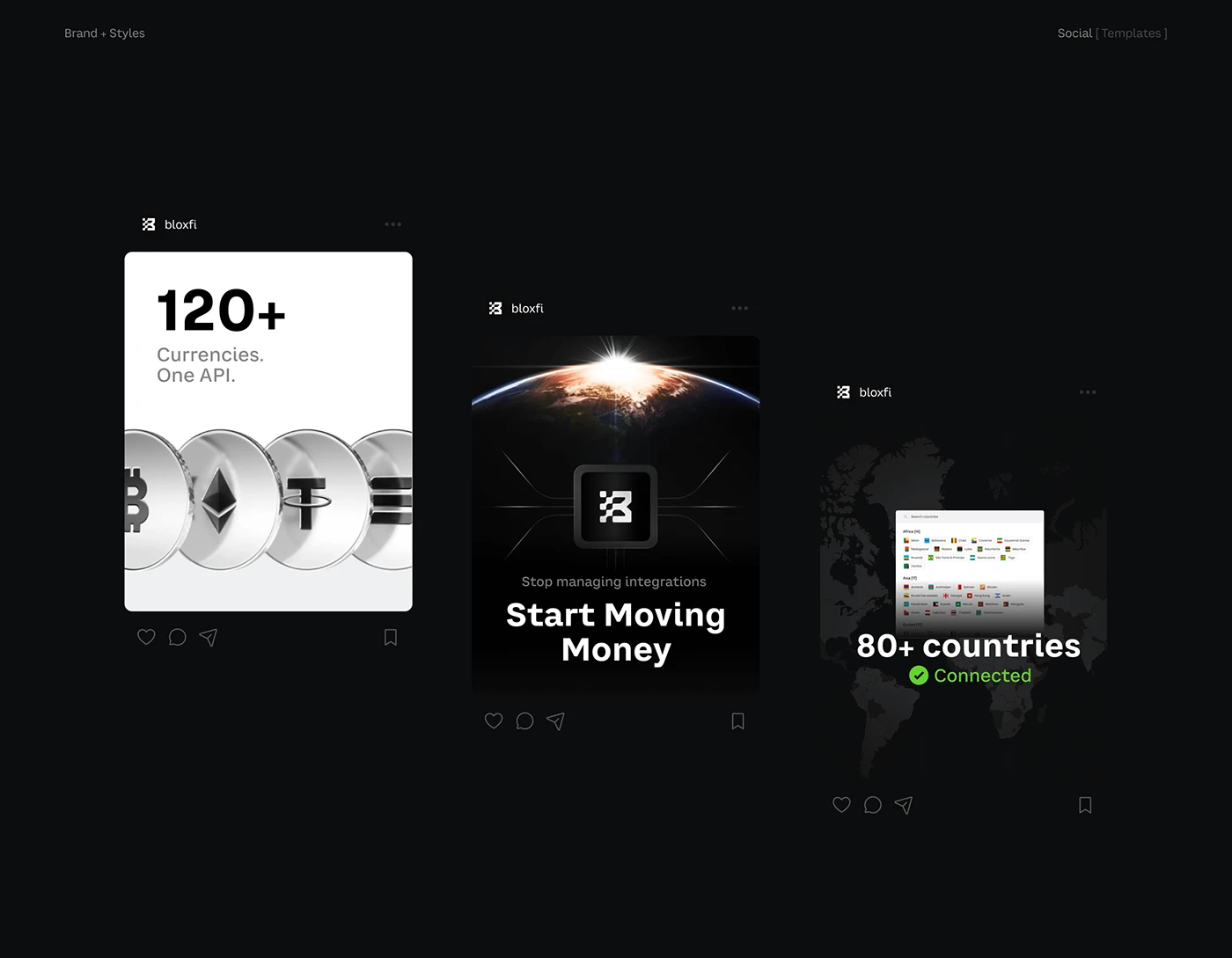
We designed one coverage template in Webflow and connected it to the CMS. Each country is a CMS entry with its currencies, rails and payment methods, so adding a market is data entry. Every page keeps the same structure for search engines.
What should a fintech brand identity communicate?
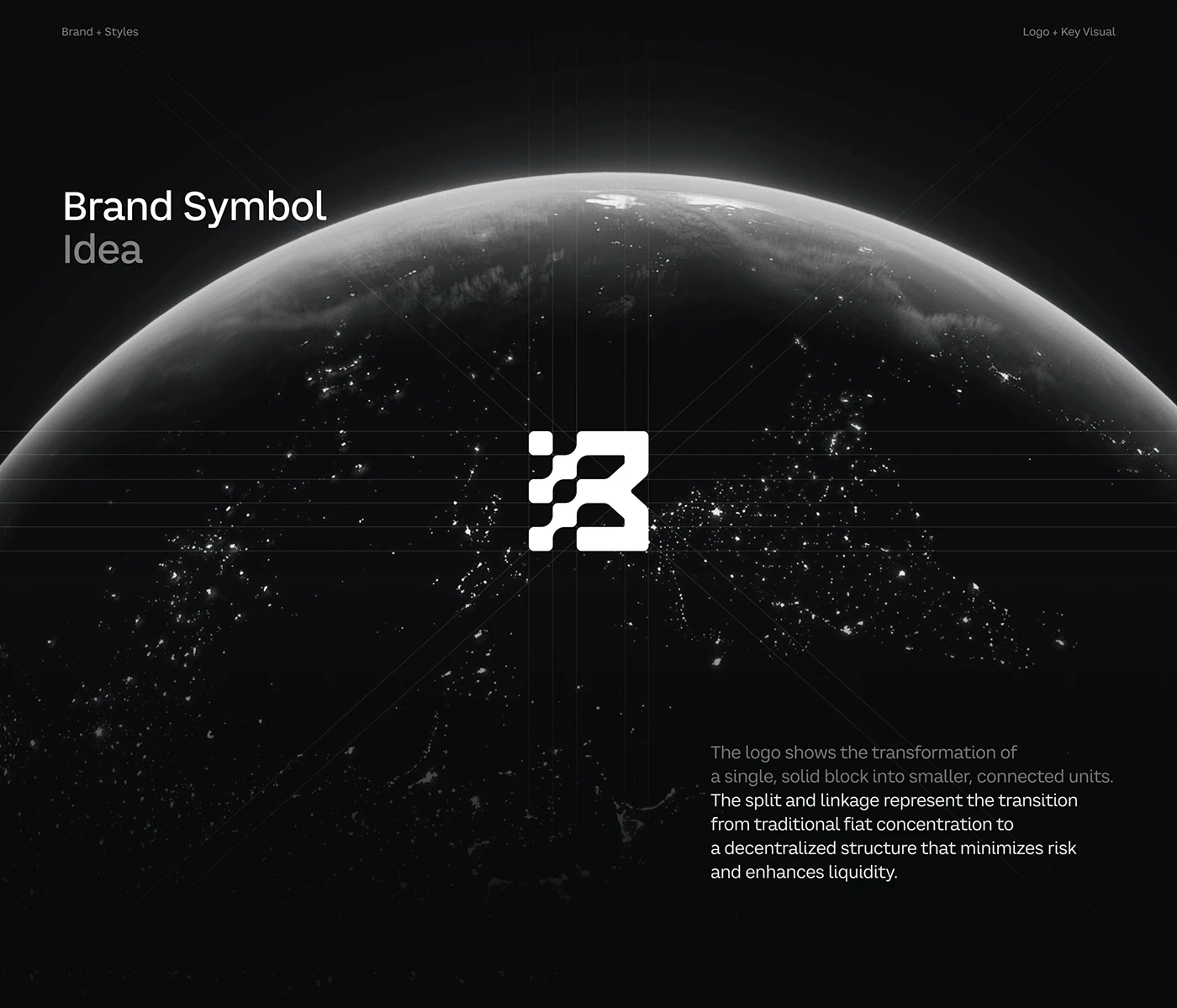
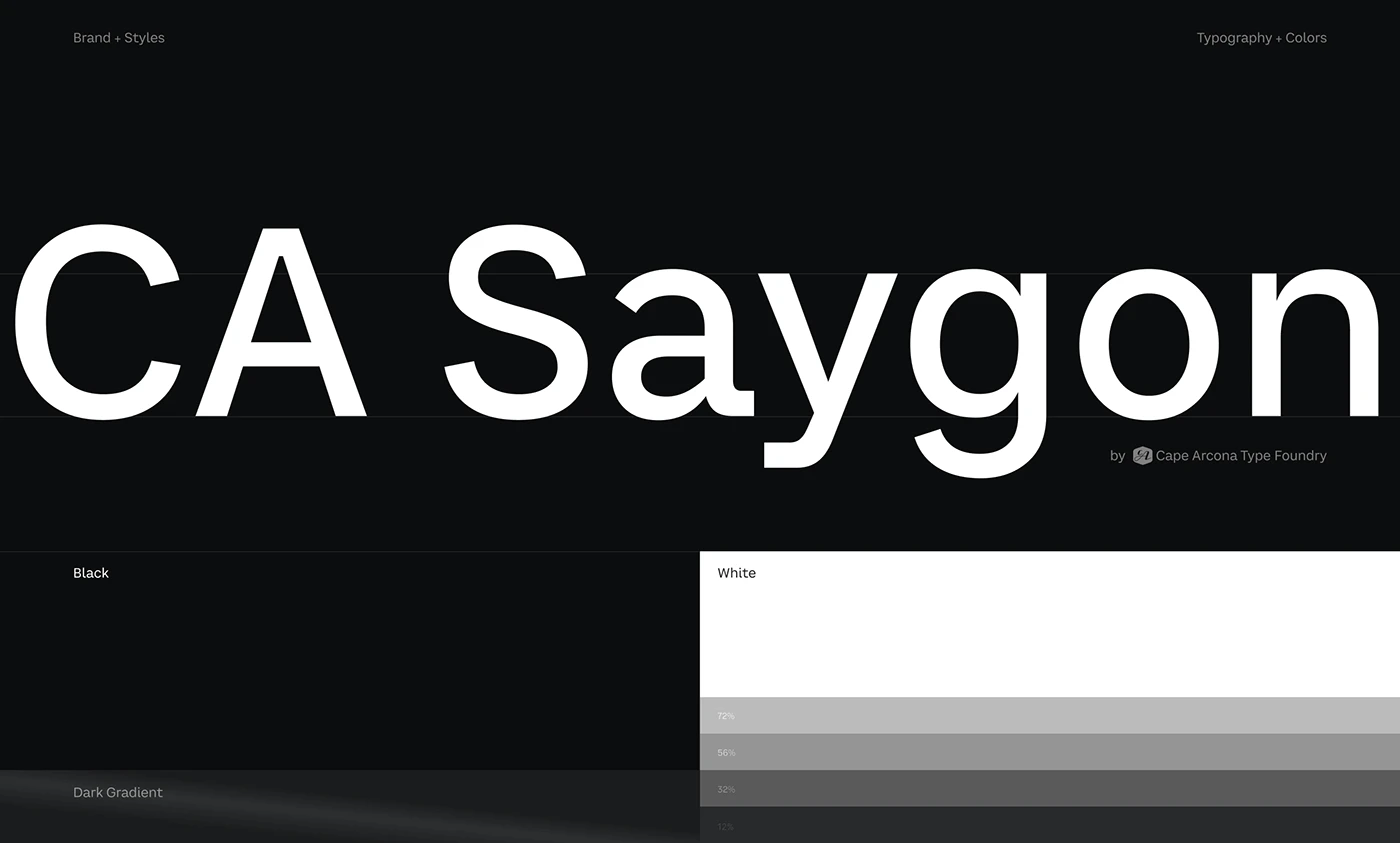
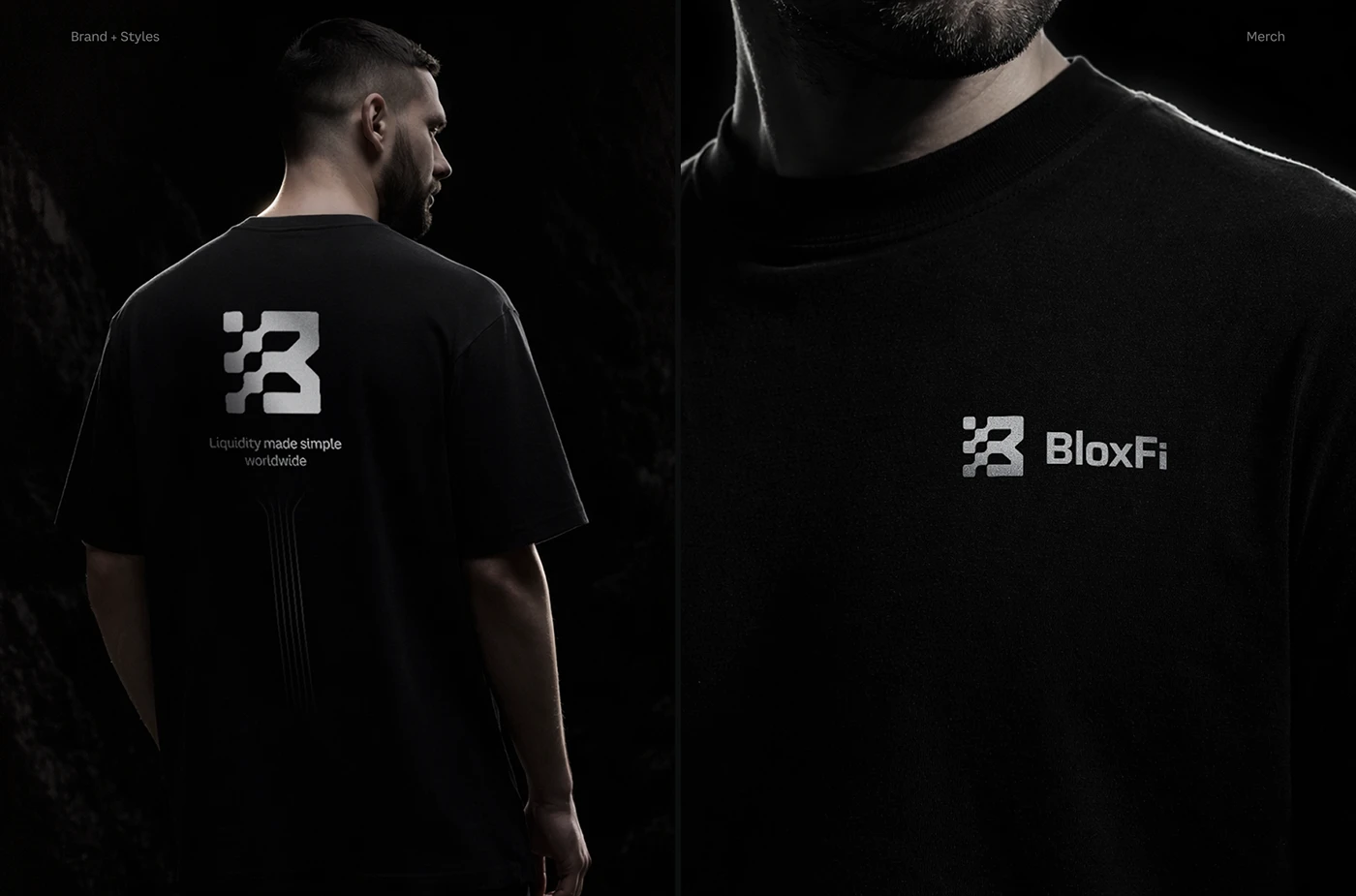
Trust and precision first, personality second. BloxFi's mark turns a solid block into connected units, the same thing the product does with fragmented payment rails. It sits on dark surfaces with precise type, so it reads as infrastructure.
Why use motion on a B2B fintech website?
Only where it explains. Each animation on BloxFi shows one state change in the money flow, from request to conversion to payout, so a buyer understands the integration before talking to sales. Decorative motion was left out.
Can one team handle branding, web design and Webflow development?
Yes. For BloxFi Figmatica handled the identity, logo, website design, Webflow build and animation. One team means the brand, the templates and the CMS are designed together, so nothing is lost between hand-offs. If you are still choosing the platform, our Webflow vs WordPress comparison weighs cost and upkeep.
Related work


